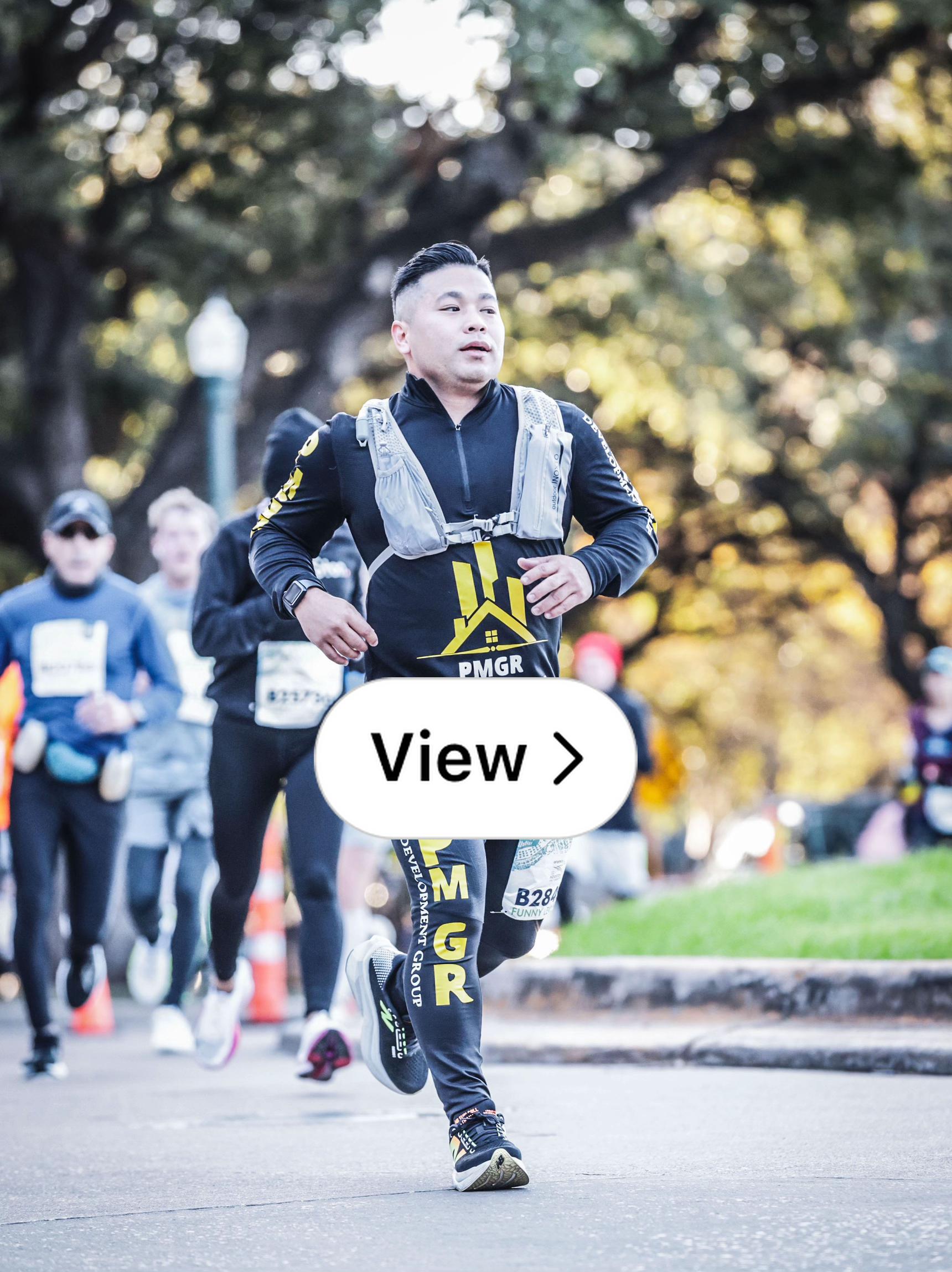
From Nerves to Triumph: Conquering the Cambridge Half Marathon
The exhilarating rush of crossing a finish line, the cheers of the crowd, the taste of hard-earned success – these are the moments that fuel the ambition of every runner. Yet, behind every triumphant stride in an event like the TTP Cambridge Half Marathon lies a journey paved with dedication, early mornings, and often, a healthy dose of nerves. This isn't just a race; it's a 21.1km odyssey through historic streets, and the key to transforming apprehension into accomplishment is rigorous, intelligent training for the Cambridge Half Marathon.
Whether you're a seasoned runner returning to the start line, like Martha who found herself falling in love with the city while running through its iconic colleges, or a first-timer feeling the daunting weight of the distance, the path to race day readiness is paramount. Even the most dedicated can face unexpected hurdles – imagine being sidelined just days before the race by an unforeseen injury, a stark reminder that preparation must be comprehensive, encompassing both physical conditioning and mental resilience.
The Heart of Cambridge: More Than Just a Race
What makes the Cambridge Half Marathon so special? It's more than just a challenging course; it's an immersive experience that weaves through the very fabric of one of England's most historic cities. As runners navigate past ancient college walls and alongside the tranquil River Cam, the scenery itself becomes a powerful motivator. "Running through the colleges really helped me fall in love with the city," Martha reflects, capturing a sentiment shared by many participants.
The atmosphere is undeniably electric. Thousands of supporters line the streets, waving ingenious signs ranging from the humorous "Hot Girls Run Halfs" to the cleverly encouraging "On a Scale 1-10 you’re a 13.1!" This vibrant energy is infectious, inspiring individuals like Grace, who, witnessing the spectacle, immediately signed up for the next event, proclaiming it "would be a great place to run my first ever race!" This unique blend of historic charm and fervent community support transforms the race into an unforgettable celebration of human endeavour.
Crafting Your Journey: Effective Training for the Cambridge Half Marathon
Embarking on a half marathon journey requires a structured approach to training for the Cambridge Half Marathon. This isn't merely about logging miles; it's about intelligent progression, injury prevention, and building both physical and mental fortitude. Professional partnerships, such as the one between MYSTRYDE Train, Marathon Sports, and lululemon, exemplify the structured support available to aspiring runners.
These programs often offer a range of training plans, catering to all levels from absolute beginners to advanced athletes. Digital platforms like the V.02 App can host these plans, allowing for seamless syncing of workouts to your watch – a modern convenience that ensures consistency and tracking. A comprehensive training plan typically includes:
- Long Runs: The cornerstone of half marathon training, gradually increasing distance to build endurance.
- Speed Work: Intervals, tempo runs, and hill repeats to improve pace and efficiency.
- Cross-Training: Activities like cycling or swimming to build aerobic fitness without the impact of running, aiding recovery.
- Strength Training: Essential for injury prevention, focusing on core, glutes, and leg muscles.
- Recovery: Crucial rest days, stretching, foam rolling, and adequate sleep to allow the body to adapt and rebuild.
Beyond the physical, proper nutrition and hydration play a vital role. Fueling your body correctly ensures you have the energy for demanding workouts and aids in quicker recovery. Staying hydrated before, during, and after runs is equally critical, especially as your mileage increases.
The Power of Community and Connection
While running can often feel like a solitary pursuit, the journey to a half marathon is frequently enriched by a strong sense of community. This communal spirit is evident everywhere, from the camaraderie of a Saturday morning parkrun to the structured support of a run club's 10-week training program. Martha, a regular parkrunner, highlights how she has "found loads of friends through running" and deepened existing friendships through shared miles and post-run brunches.
Even unique initiatives add to this social dynamic. The viral Franco Manca Map My Pizza Run, where 1km equates to £1, transformed January training into a fun, incentivized challenge. Grace found it motivated her to "get up to some longer distances I’d never run before," while Martha appreciated the chance to explore new routes and the "whole new social dynamic to running." This blend of purpose, shared experience, and even pizza, underscores the importance of connection in maintaining motivation and making training for the Cambridge Half Marathon a truly enjoyable endeavour.
Group training programs further foster this sense of belonging, starting with kick-off events where runners can meet coaches and fellow participants. This initial connection often blossoms into a network of accountability partners and cheerleaders, vital for staying on track through the inevitable ups and downs of a training cycle. Regular group runs keep the camaraderie going, transforming what could be daunting long runs into engaging "long-run natters" where experiences and advice are freely shared.
Overcoming Obstacles: Mindset and Resilience
The road to a half marathon is rarely without its bumps. "Training is not always sunshine and rainbows, especially during long winter evenings," one runner wisely notes. Sacrificing Saturday morning lie-ins, as Grace humorously acknowledges, is just one of many adjustments runners make. Balancing extensive training with academic demands, like Pooja’s Computer Science degree, or the hectic "Cambridge termtime lifestyle," as Keane describes, requires meticulous planning and unwavering discipline.
For some, running offers a much-needed counterbalance to daily stressors. Keane finds it a way to "unwind after a day of work" and a welcome distraction from tasks like a dissertation. This highlights the mental health benefits of running, providing an outlet and a sense of accomplishment outside of other commitments.
While group runs offer motivation, many runners also appreciate the value of solo training. Grace sometimes finds it "daunting running with friends 'because I run so slowly!'" a common sentiment reflecting the fear of comparison. Training alone can be an invaluable opportunity to connect with your own pace, discover a deeper, more personal love for running, and practice mindfulness. Keane, who prefers solo runs, notices a surge of fellow runners on the streets, especially towards Trumpington Street, indicating a shared, yet individual, pursuit.
Key strategies for overcoming common training obstacles include:
- Goal Setting: Break down the 21.1km into smaller, achievable milestones.
- Flexibility: Life happens. Be prepared to adjust your schedule when necessary, without guilt.
- Listen to Your Body: Distinguish between muscle fatigue and potential injury. Prioritize rest and seek professional advice if pain persists.
- Mental Toughness: Practice positive self-talk and visualization. Remind yourself of your 'why' when motivation wanes.
- Reward System: Celebrate small victories – a new long-run distance, a consistent week of training – to maintain momentum.
The Cambridge Half Marathon is more than just a race; it's a testament to personal growth, community spirit, and the sheer joy of running. From the initial spark of inspiration to the disciplined weeks of training for the Cambridge Half Marathon, every step contributes to an unforgettable experience. The blend of historic scenery, electric crowd support, and the deep camaraderie among runners creates an event that truly helps participants fall in love with the city and, perhaps, even more deeply with running itself. So, whether you're aiming for a personal best or simply to cross that finish line in whatever time it takes, embrace the journey – the triumph awaits.